






Premises Liability Laws In Nevada: What You Need To Know
When you file a premises liability claim with your Las Vegas personal injury attorney, you claim that you suffered an injury on someone else’s property that resulted from their negligence. Premises liability claims most often involve business, such as hotels, casinos, restaurants, and theme parks, but they can sometimes involve private homeowners as well. In a premises liability claim, you are indicating that the owners have in some way violated their duty of care to the visitors of their property, which may include lack of maintenance, failing to warn of the dangers in certain areas of the property, or creating dangerous conditions that resulted in injury.
What Duty Of Care Are Property Owners Responsible To Provide?
Property owners bear a duty of care to visitors of their property. Not only must they ensure that visitors do not face unnecessary danger, but they are expected to provide a reasonable degree of safety for their visits. Business owners must also adhere to OSHA regulations. Unsafe premises may leave businesses vulnerable to lawsuits or threats of lawsuits.
Generally speaking, property owners are required to:
Identify Potential Dangers Where Possible

All property owners, especially business owners, are obligated to maintain their property in order to create a reasonably safe environment for visitors. This includes basic safety features such as stairs that are up to building code, handrails, properly installed electrical devices that protect people from shock, proper management of fire hazards, safe exits, and fire suppression equipment.
Beyond building and equipment safety, Nevada business owners should carefully consider potential danger from threatening or potentially violent individuals. This may be especially relevant to hospitality and entertainment industries, such as casinos, who need to be able to identify potential threats and even hire security personnel to protect their customers and premises.
Eliminate Potentially Dangerous Situations
Some dangers can be quickly and easily handled, such as a spill on the floor, while others will require more extensive repairs. Whenever possible, business owners should eliminate hazards in order to provide a safe environment for their customers and employees. Property maintenance is crucial.
Warn Visitors About Any Potential Hazards
Some dangers cannot be quickly eliminated. For example, on a rainy day, continuous customer traffic may keep floors wet. Since this cannot be entirely eliminated until the weather changes, the property owner may need to put out a sign warning guests that the floor is potentially wet or slippery. In the case of private homeowners, visitors may need to be warned directly.
Who Holds Liability In a Nevada Premises Liability Claim?
When someone works with their Las Vegas personal injury law firm to file a premises liability claim, one of the primary factors in the case is whether the business owner failed to properly maintain their property. An investigation into the facts will determine who bears liability for the injury. Depending upon the situation, one or more parties may be liable for an accident that occurs. Potentially liable parties include:
- Business owners
- Private homeowners
- Landlords
- Management companies
- Maintenance service companies
- Third-party companies or contractors who are operating on the premises
- Tenants who have caused damage to the property
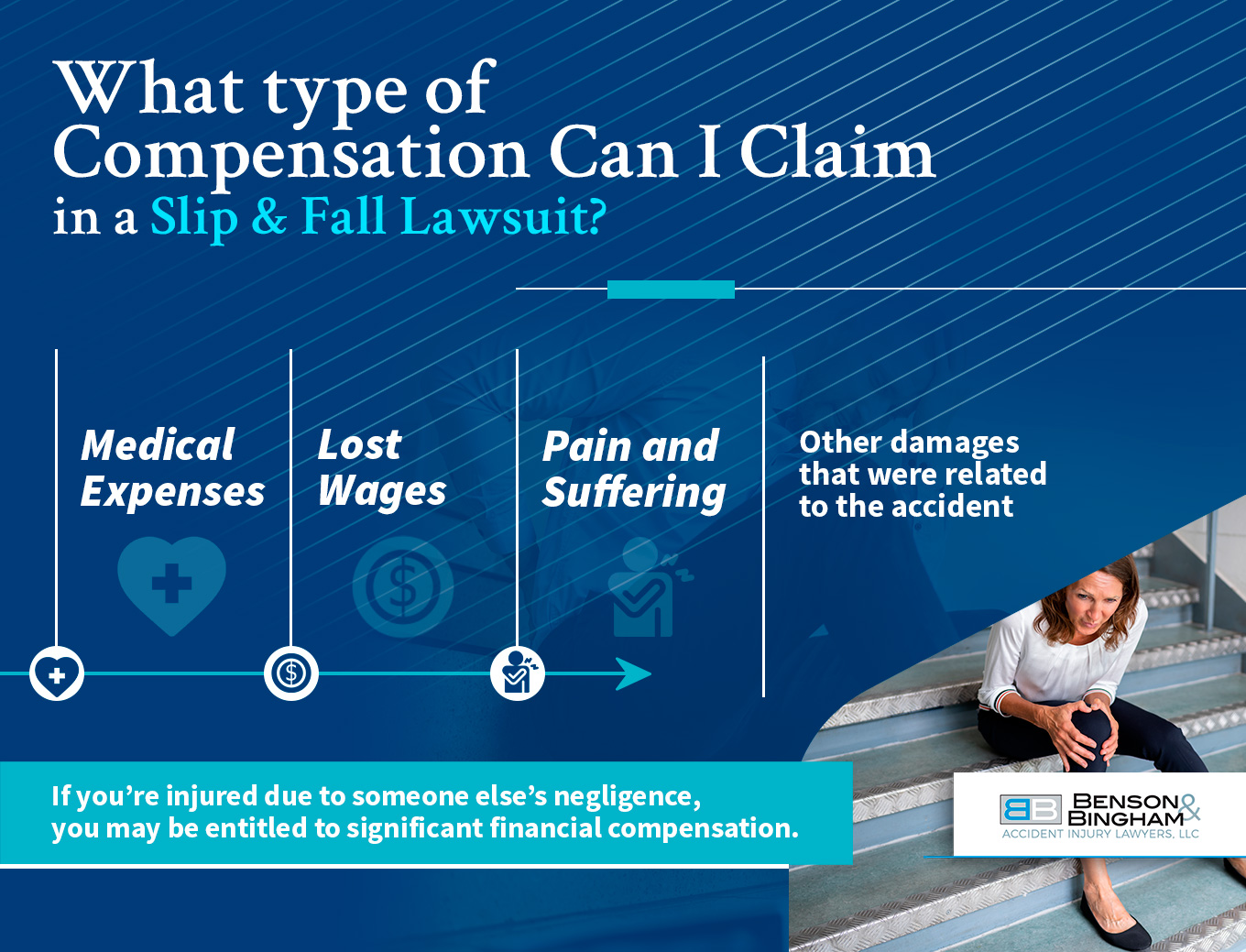
Identifying the liable party with your Las Vegas slip and fall lawyer after your accident is a crucial part of receiving compensation for any injuries or damages you suffered as a result. People who are injured as the result of negligence or a lack of property maintenance may be able to seek financial compensation for medical expenses, lost wages, pain and suffering, and other damages that were related to their accident. Because these expenses can add up very quickly, especially if you were seriously injured, a Nevada premises liability claim may be crucial to the future of your financial situation.
Nevada’s Statute Of Limitations On Premises Liability Claims
Nevada law allows injured parties to file a personal injury lawsuit for up to two years after an accident. This begins the day of the accident, regardless of when your injuries become apparent, so you’ll need to contact your Las Vegas personal injury attorney right away to begin your personal injury claim. It’s much easier to gather essential and accurate evidence, such as witness statements, security camera footage, accident scene photos, and more immediately after the accident.
Do I Need An Attorney To File a Nevada Premises Liability Claim?
If you’re suffering from injuries that resulted from someone else’s property in Nevada and want to move forward with a personal injury claim, you absolutely need an experienced Las Vegas personal injury lawyer on your side.
Your attorney will investigate your claim completely, identify your injuries, consider all potentially liable parties, and gather crucial evidence related to the accident. Additionally, your lawyer can help you understand the legal process and provide guidance as you talk with insurance companies. Your attorney will provide effective representation throughout negotiations and in court, if necessary, to help prove your right to sufficient compensation. If you choose to attempt a personal injury lawsuit without an experienced lawyer, you may inadvertently reduce the compensation you receive or be denied altogether.
Are You Suffering From Serious Injuries After an Accident On Someone Else’s Property?
If you’re injured due to someone else’s negligence, you may be entitled to significant financial compensation. Let the trusted attorneys at Benson & Bingham Accident Injury Lawyers help you explore your legal rights and options as you work to recover from your injuries. In our years of practice, we’ve helped people just like you win a collective $500 million in compensation. Schedule your free consultation with us today!